Localization
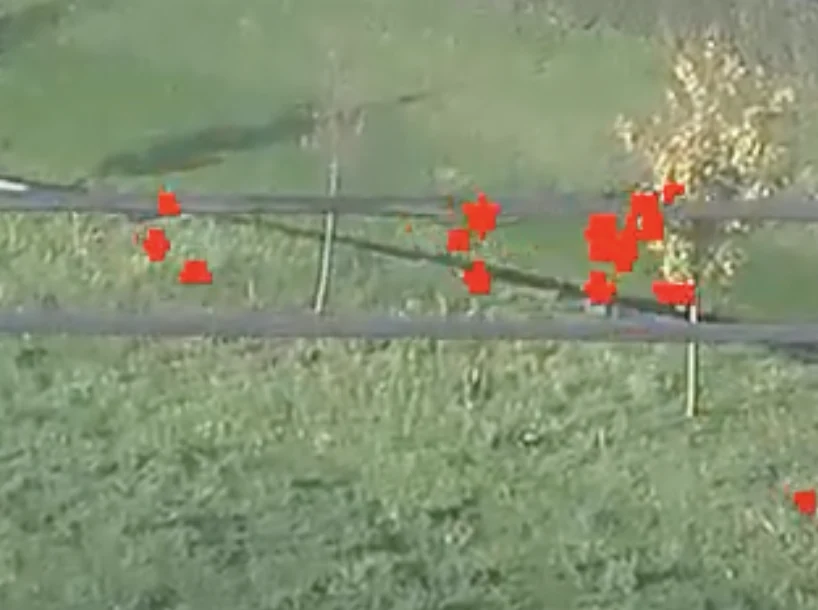
Focuses attention on a zone or component with emissions compatible with discharge activity.
Acoustic inspection of energized installations to locate discharge indications, prioritize anomalies and support maintenance decisions without treating an indication as a final diagnosis.
← Back to services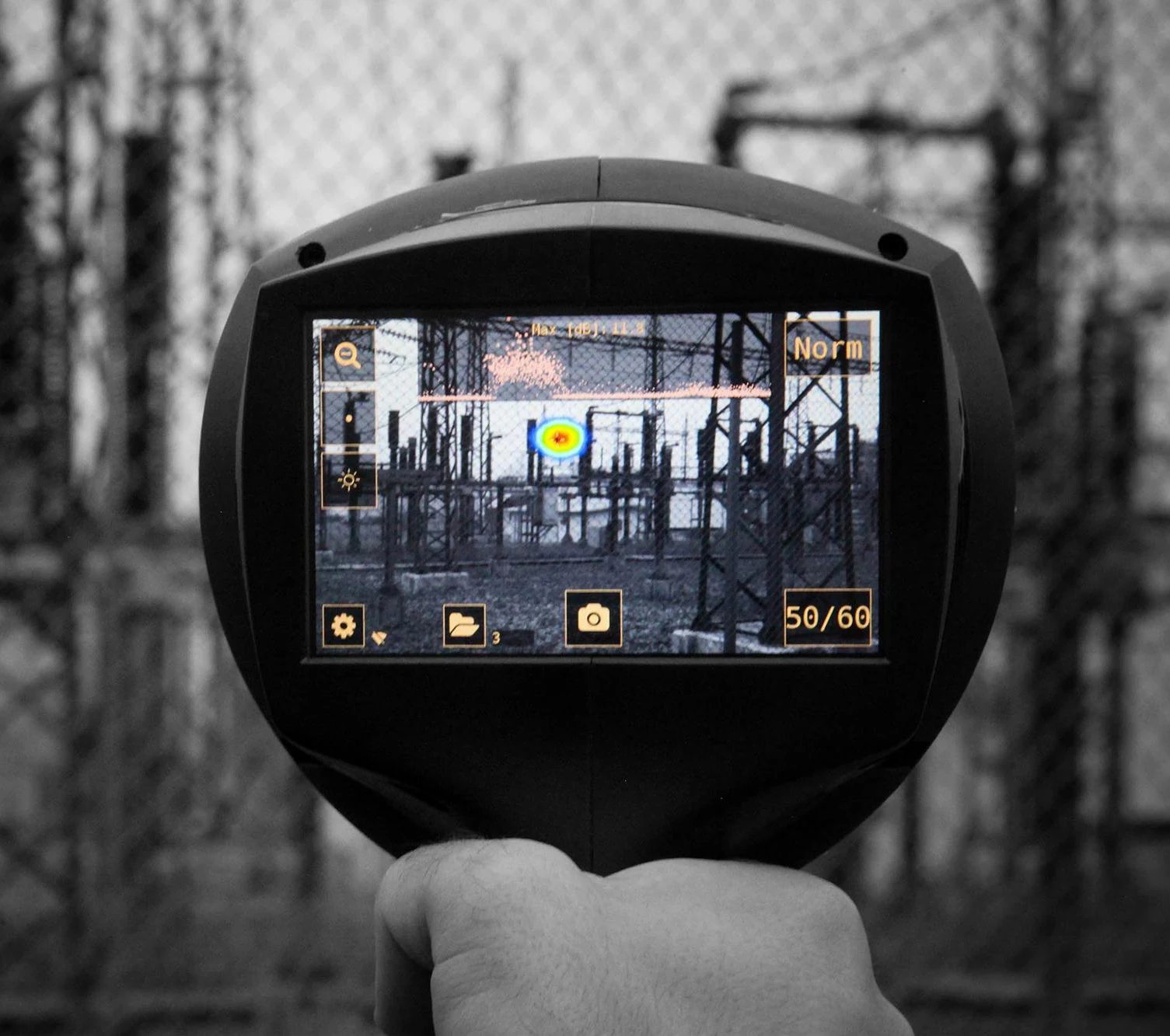
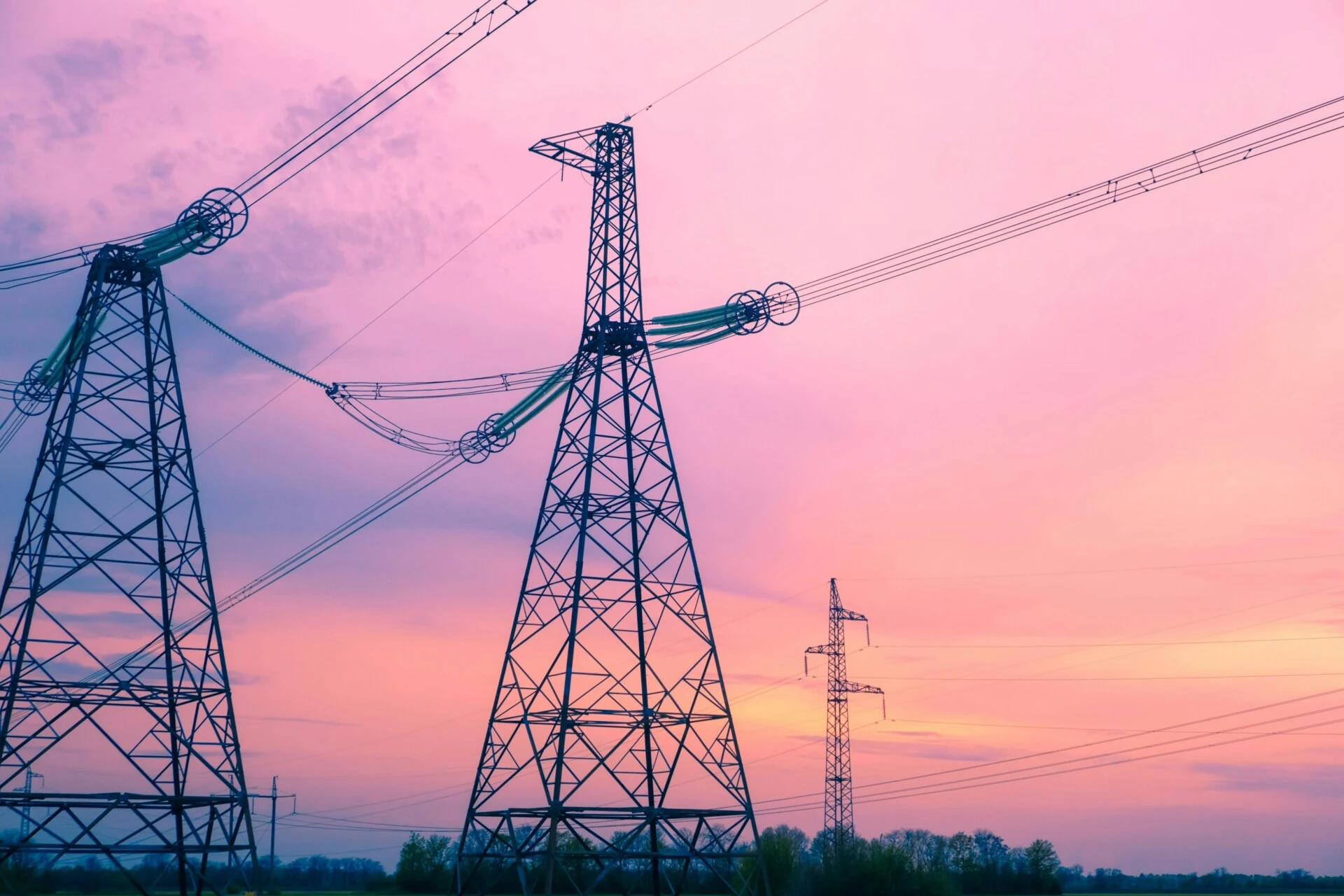
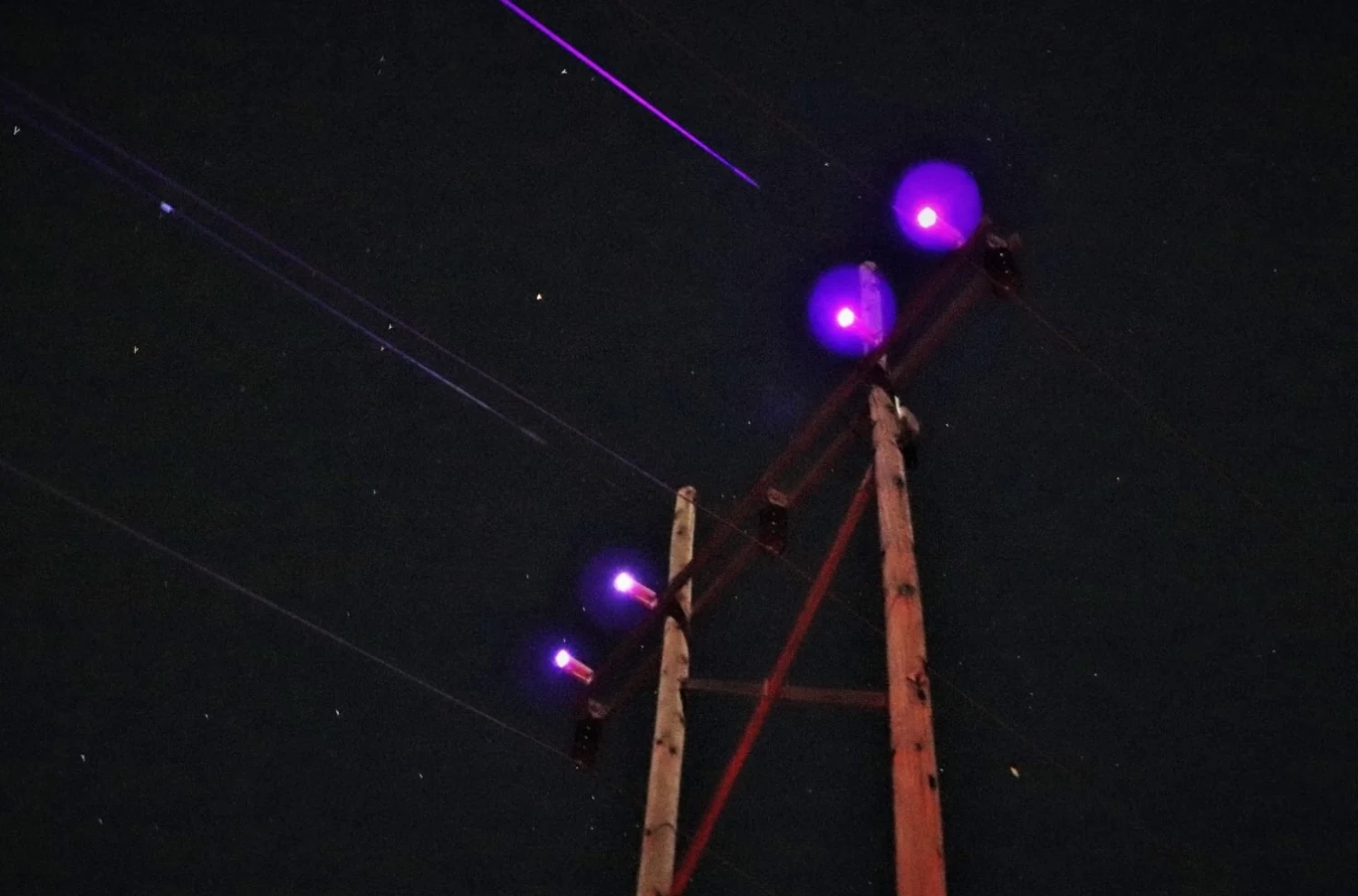
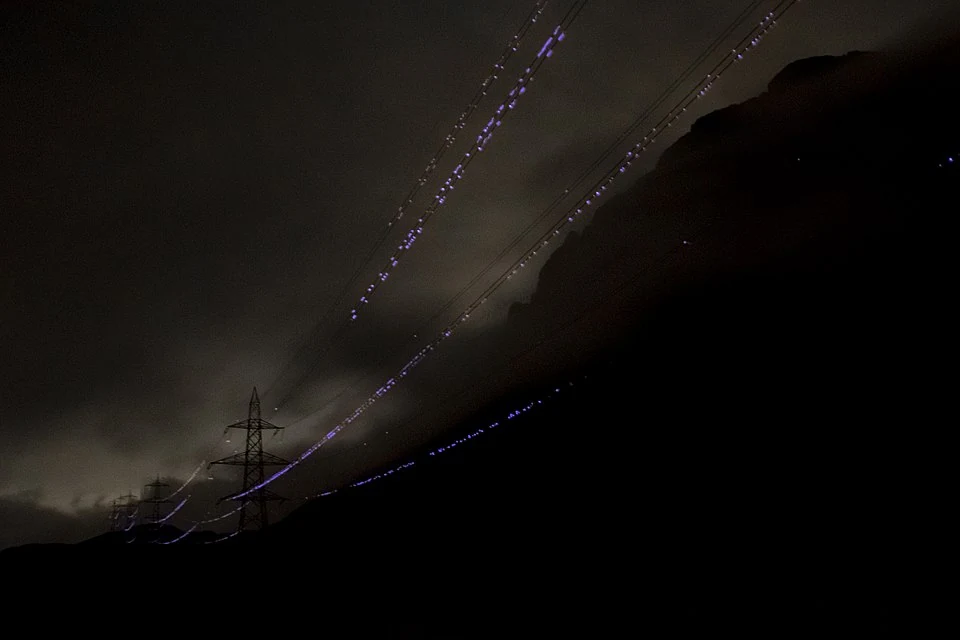

High-voltage installations require planned inspections to recognize early signals, discriminate interference and manage safety, asset degradation, operational unavailability and indirect costs.
Focuses attention on a zone or component with emissions compatible with discharge activity.
Ranks findings using evidence, repeatability, operational context and criticality—not one image alone.
Creates a comparable record to confirm, correct or trend the finding over time.
Acoustic detection is a recognized non-electrical technique for partial discharge localization. By itself it does not replace IEC 60270 apparent-charge measurement or asset-specific verification.
Let us review voltage, assets, access, history and objectives to define a safe route and a useful report.
No. It localizes compatible emissions and guides diagnosis. Confirmation depends on the asset and may require electrical, UHF, HFCT, UV or other methods.
Yes, this is an operational advantage, always within applicable approach distances, permits and safety controls.
Yes. Environmental conditions influence corona activity and must be recorded when findings are interpreted or compared.
Substations, lines, insulators, connections, terminations and other accessible equipment, depending on voltage, geometry, distance and site conditions.